


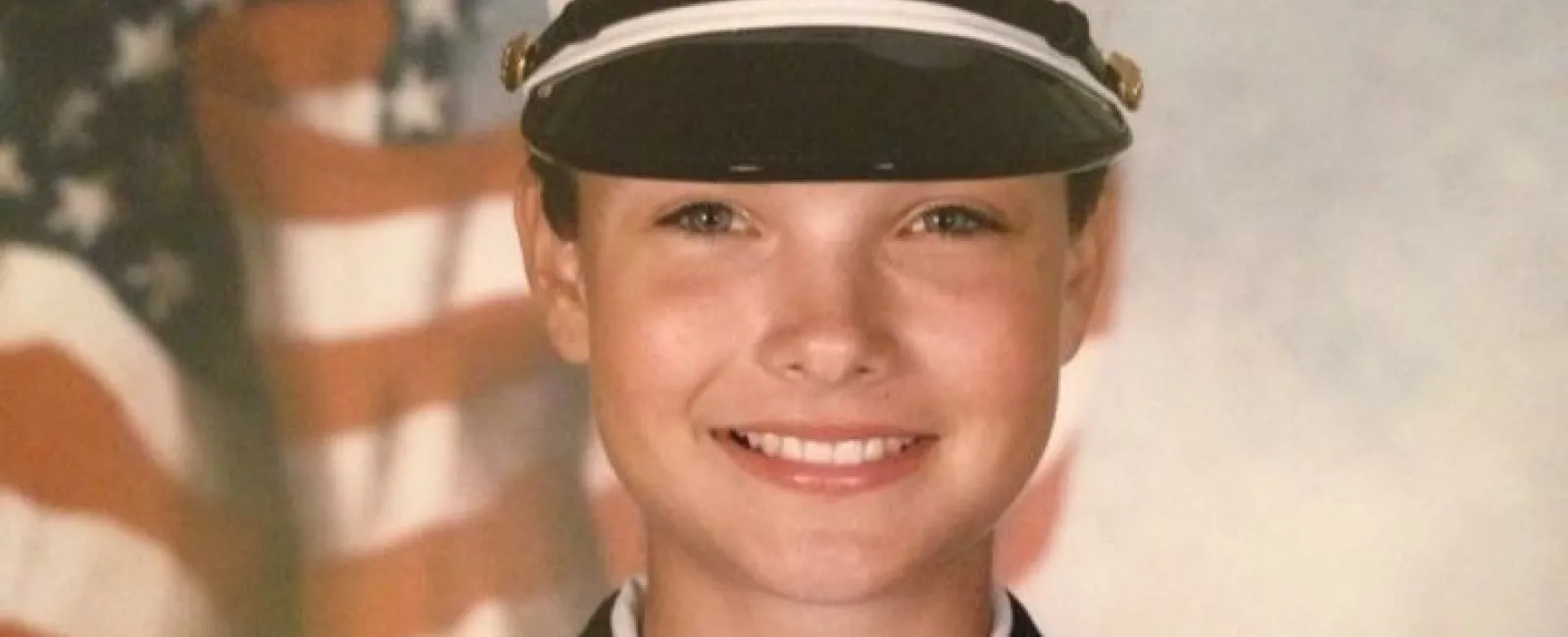
Ashley Chambless didn't grow up dreaming of becoming a Marine. She wasn't following a family legacy or chasing a lifelong goal. As a high schooler in Haines City, she danced and played softball.
After graduation, she just wanted to find her own path.
Two friends signed up for the Marines. Completely uninterested, Ashley told them, "Peace out. See ya in three months!" But another friend said, "I know you. Come talk to the Staff Sergeant."
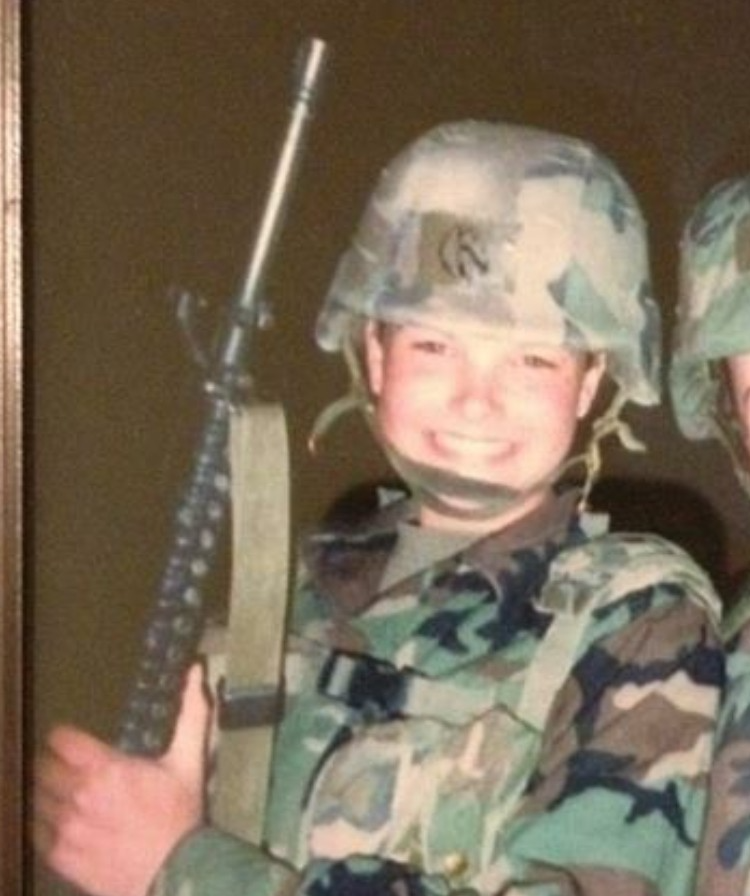
So, Ashley went. She watched the video. Something clicked.
Within a week, she raised her hand and enlisted.
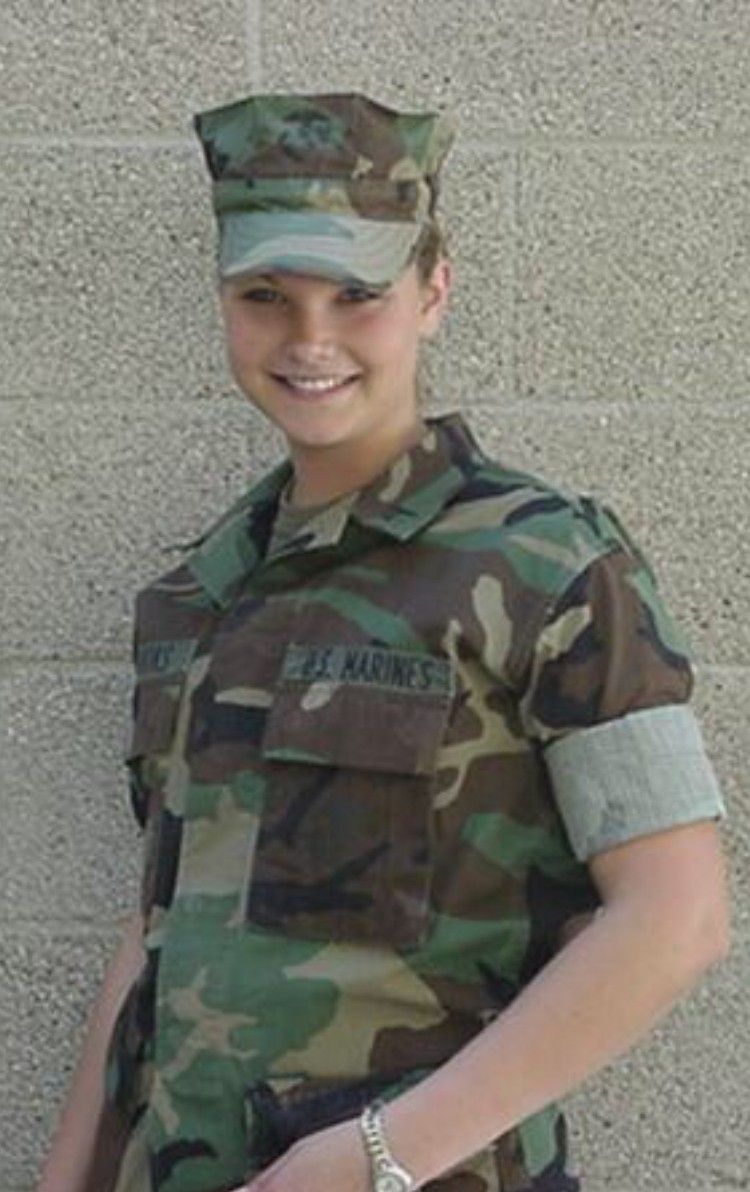
When Ashley joined the Marine Corps, women made up only about 5% of those serving. It wasn't something she thought much about. She just stepped into it, ready to prove she belonged.
She shipped out to boot camp on October 15, 2001, just weeks after 9/11. Everything felt heavier. More serious. What they were preparing for suddenly felt very real.
After training, Ashley worked in administration, helping fellow Marines navigate transitions between duty stations. She processed orders and coordinated moves, making sure people had what they needed to keep going.
She was stationed in Twentynine Palms, California, and later in Okinawa. She remembers the friendships, the discipline, and the feeling of being part of something bigger than herself.
That sense of service stayed with her.
When Ashley came home, she began exploring healthcare. She worked alongside her sister in private-duty care, but the moment that shifted everything came unexpectedly. She was watching coverage of a massive multi-car accident on I-4. First responders rushing in. People helping however they could. It reminded her of the unity she had felt in the Marines and in the days after 9/11.
Ashley wanted to be part of that, so not long after, she enrolled in EMT school.
She continued building experience and became a nurse, working in the ICU and briefly in the operating room. But something still felt off. More than once, she wondered if she had chosen the wrong path.
Then one patient changed everything.
"Hospice nurses are often asked, 'Why hospice?' She was my 'why,'" Ashley said.
The patient was 29 years old. She had undergone surgery and was expected to recover, but complications set in and her condition declined quickly.
Ashley sat with her and her mother, explaining what was happening and helping them process it as it unfolded. She answered questions, offered support, and stayed present through decisions no one expects to face so suddenly.
It wasn't dramatic like the crash on I-4. But it was deeply human.
It led her to hospice care, where she found a sense of clarity she hadn't felt before. Hospice focuses on comfort, dignity, and quality of life, supporting patients and families through the final stage of life.
"I feel like everything brought me full circle to hospice," she said.
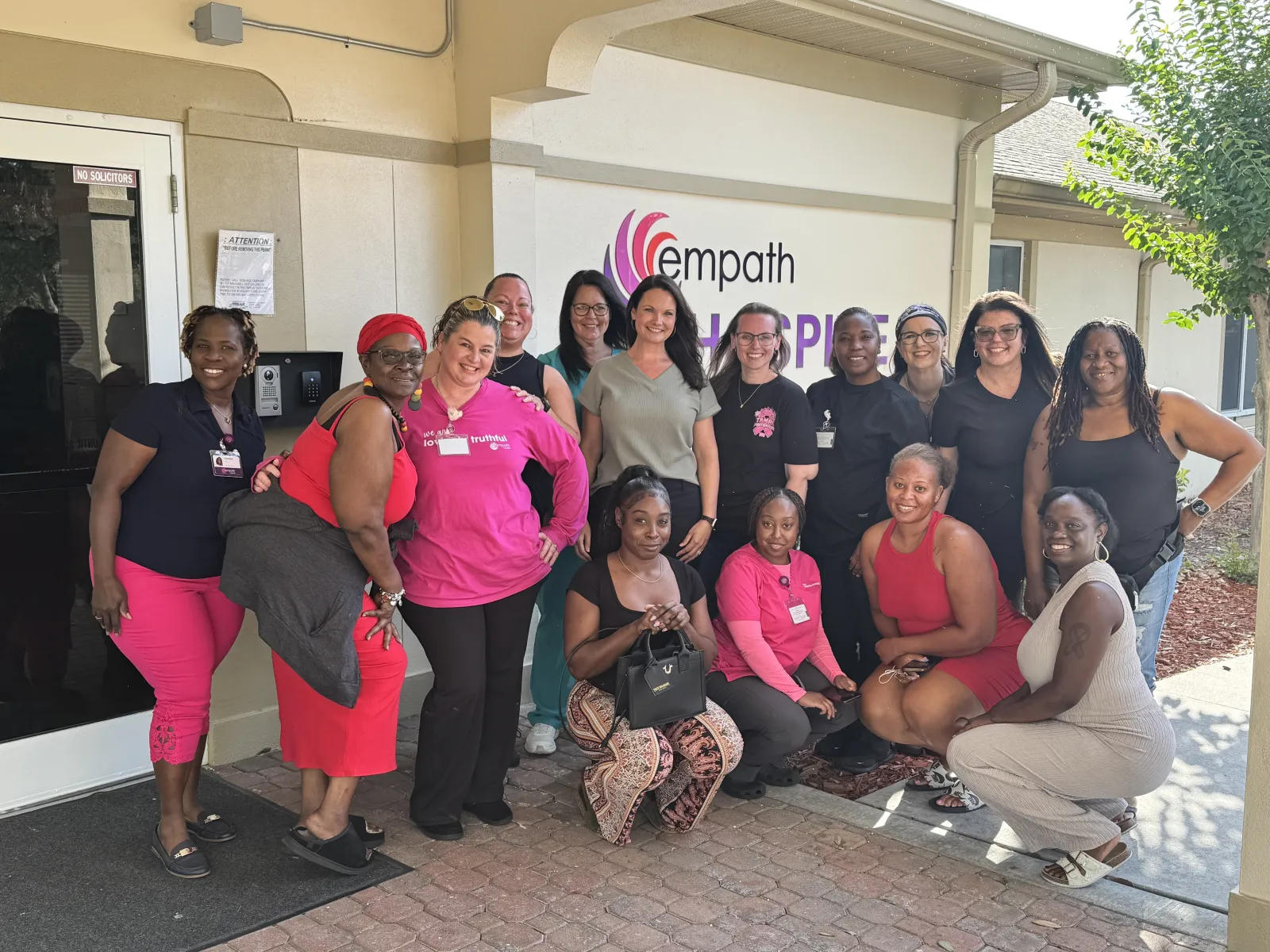
Today, Ashley leads the team at the Empath Hospice Care Center in Winter Haven. The center is still new, and she stays close to the work—checking in with nurses, helping with admissions, and stepping in where she's needed.
Some of the moments that stay with her most happen quietly, at the bedside.
She remembers caring for a fellow Marine who didn't want medication. He was in pain but resisted putting in an IV. Ashley recognized the stubbornness, his PTSD, and met him there.
She spoke to him as one Marine to another and asked him to trust her, just enough to try something that could ease his breathing and discomfort.
He agreed.
After receiving a small dose of medication to help manage his pain, he became more at ease. His breathing slowed. He was comfortable.
As Ashley stepped out, he called her back, looked at her, and said, "Semper Fi."
Always faithful.
They were his last words. From one Marine to another.
For a long time, Ashley didn't think it was necessary to be recognized as a woman veteran. To her, service was service.
That began to change after she read "The Women" by Kristin Hannah. The book opened her eyes to the experiences of women who served before her—what they faced and how often their stories went untold.
It gave her a deeper appreciation. A different kind of pride.
Ashley is back in Polk County, caring for patients in the same community where she grew up. Sometimes she meets families she recognizes—people connected to her parents, her childhood, her roots.
She doesn't take that lightly.
It's personal. A way of giving back.
For Ashley, service isn't about where you are or what title you hold.
It's showing up.
For your team. For your patients. For their families. For your country.