


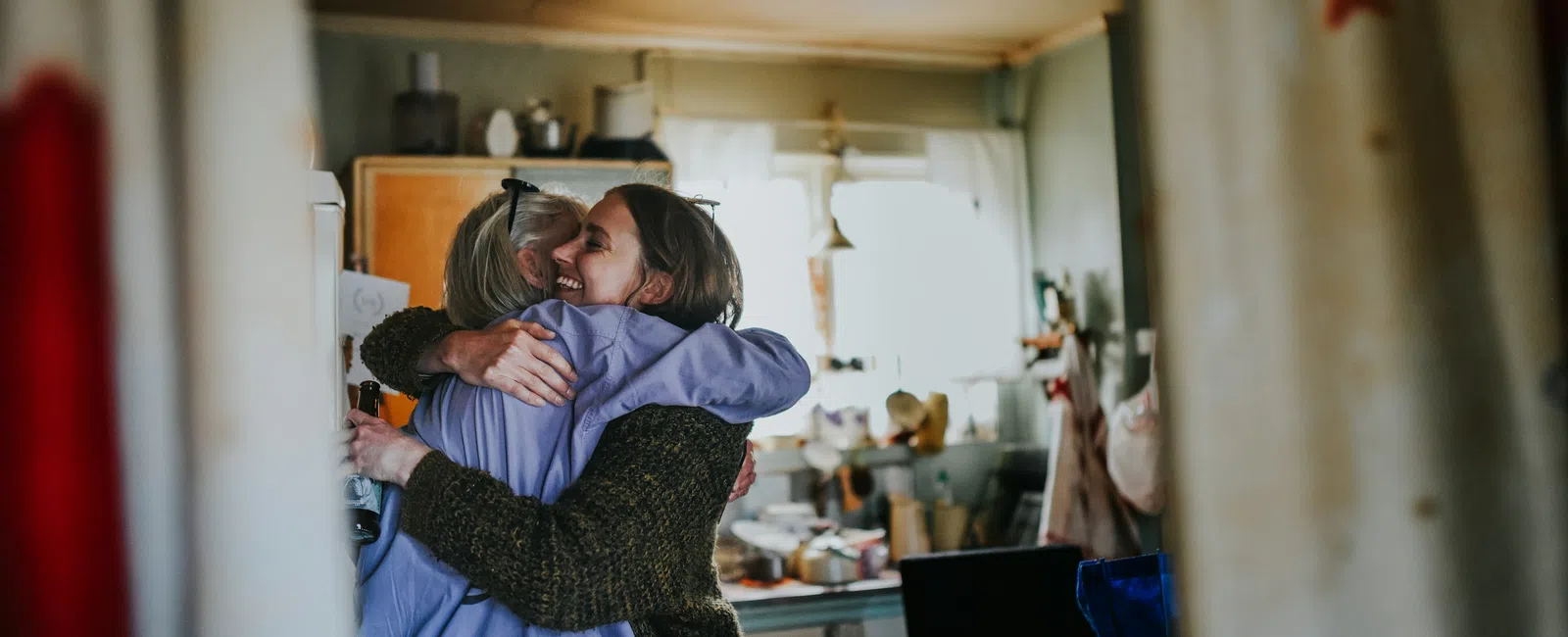
If you have a loved one living with dementia, you've probably asked yourself some difficult questions.
Am I visiting enough?
Do they still know who I am?
Am I helping, or am I making things harder?
These concerns are common. Dementia changes how a person thinks, remembers, and communicates, and it can leave family members wondering if they're doing the right thing.
The good news is that there's no perfect way to visit someone with dementia. What matters most is showing up with patience, and compassion. These seven reminders can help you make the most of the time you share together.
1. Know That Your Presence Still Matters
One of the hardest parts of dementia is watching memory change. Your loved one may not remember names, recognize relationships right away, or recall a visit later.
Even so, your presence still matters.
People living with dementia often continue to respond to familiar voices, gentle touch, favorite music, and feelings of comfort and safety. While they may not remember every detail of a visit, they can still experience connection in the moment. Your visit can remind them that they're loved, valued, and not alone.
2. Know That Consistency Matters More Than Frequency
There's no perfect visiting schedule.
For many people with dementia, regular visits that happen around the same time of day can feel comforting and predictable. A familiar routine often matters more than the number of visits.
The best approach depends on your loved one's needs and stage of illness. Someone in the earlier stages may enjoy longer conversations and activities. Someone in the later stages may benefit more from shorter visits focused on comfort and companionship.
Pay attention to how your loved one responds. Their reactions can help guide what works best.
3. Know That More Isn't Always Better
While spending time together is important, too much stimulation can sometimes be overwhelming.
Long visits, large groups of visitors, or disruptions to daily routines may lead to fatigue, confusion, or agitation. Even positive interactions can become tiring when there's too much happening at once.
Signs that a visit may be overwhelming include:
- Restlessness
- Irritability
- Withdrawal
- Increased confusion
- Emotional distress
- Difficulty returning to a normal routine afterward
The goal isn't to spend the most time possible together. The goal is to create moments of comfort and connection.
4. Know That Simple Moments Can Be Meaningful
Many family members feel pressure to have meaningful conversations or plan activities. In reality, some of the most meaningful visits are also the simplest.
You might:
- Look through family photos
- Listen to favorite music
- Sit outside together
- Share a snack
- Fold laundry or towels
- Hold hands and talk quietly
You don't have to fill every moment with conversation. If your loved one smiles, relaxes, enjoys being with you, or experiences a moment of calm, that's a successful visit.
5. Know That Flexibility Helps
Dementia often changes how a person experiences the world.
Your loved one may repeat stories, mix up details, or believe they are living in another time or place. It can be tempting to correct them, but doing so may create frustration or distress.
Instead, try to focus on the feeling behind what they're saying.
Entering their world with curiosity and compassion can often lead to a more positive interaction than trying to bring them back to yours.
6. Know When It's Time to Say Goodbye
It can be difficult to know when a visit should end.
Watch for signs that your loved one is becoming tired, distracted, overwhelmed, or less engaged. These cues can indicate that they need time to rest.
When leaving, keep your goodbye calm and reassuring. A simple statement like, "I'm so glad I got to see you today. I'll visit again soon," can help your loved one feel safe and supported.
Even if your loved one doesn't remember your words later, they may remember how your visit made them feel.
7. Know That Connection Is Still Possible
Dementia changes many things, but it doesn't erase the need for love, comfort, dignity, and human connection.
Some visits will be easier than others. Some may feel rewarding, while others may be emotional or challenging. That's normal.
What matters is continuing to show up with patience and compassion. You don't need to have the perfect visit or say the perfect words.
Often, the most meaningful gift you can offer is simply your presence.
Caring for someone with dementia can feel overwhelming, but you don't have to navigate the journey alone. Empath Health offers free dementia education, caregiver support, Memory Cafés, and other resources designed to help families better understand the disease and care for their loved ones with confidence.
Learn more about our dementia services and free caregiver education programs here.