



Dr. Bernice Catherine Harper stands among the most influential figures in the history of hospice care, a visionary whose leadership reshaped how people receive compassionate support at the end of life. Her decades of service in advanced palliative care strengthened the role of hospice social work and broadened global access to end-of-life support.
A Visionary Force in Hospice Social Work
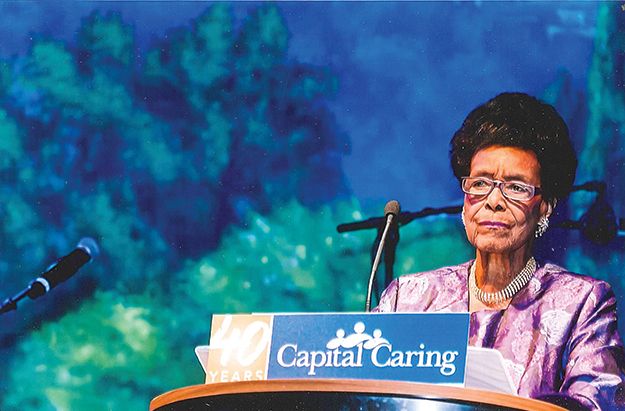
Born in Covington, Virginia, Dr. Harper rose from a segregated society to become one of the first women of color to earn a Master of Public Health from Harvard University, breaking barriers in healthcare during an era of inequity.
Her early clinical work included developing one of the nation's first oncology social work programs at City of Hope and creating the Harper Comfortability Scale, an innovative tool used to assess patient and support needs.
Her scholarship and leadership extended beyond clinical practice. Dr. Harper authored influential works on professional coping with death and dying, helping generations of healthcare providers navigate the emotional realities of hospice and palliative care.
Elevating Access: From Advocacy to the Medicare Hospice Benefit

Dr. Harper served for over 30 years as a medical care advisor with the U.S. Department of Health and Human Services, where she championed policies ensuring people facing terminal illness could receive hospice services regardless of income.
Her leadership directly contributed to the incorporation of hospice benefits into Medicare - access that now supports millions of Americans in receiving meaningful, compassionate care.
Supporting Global Growth in End-of-Life Care
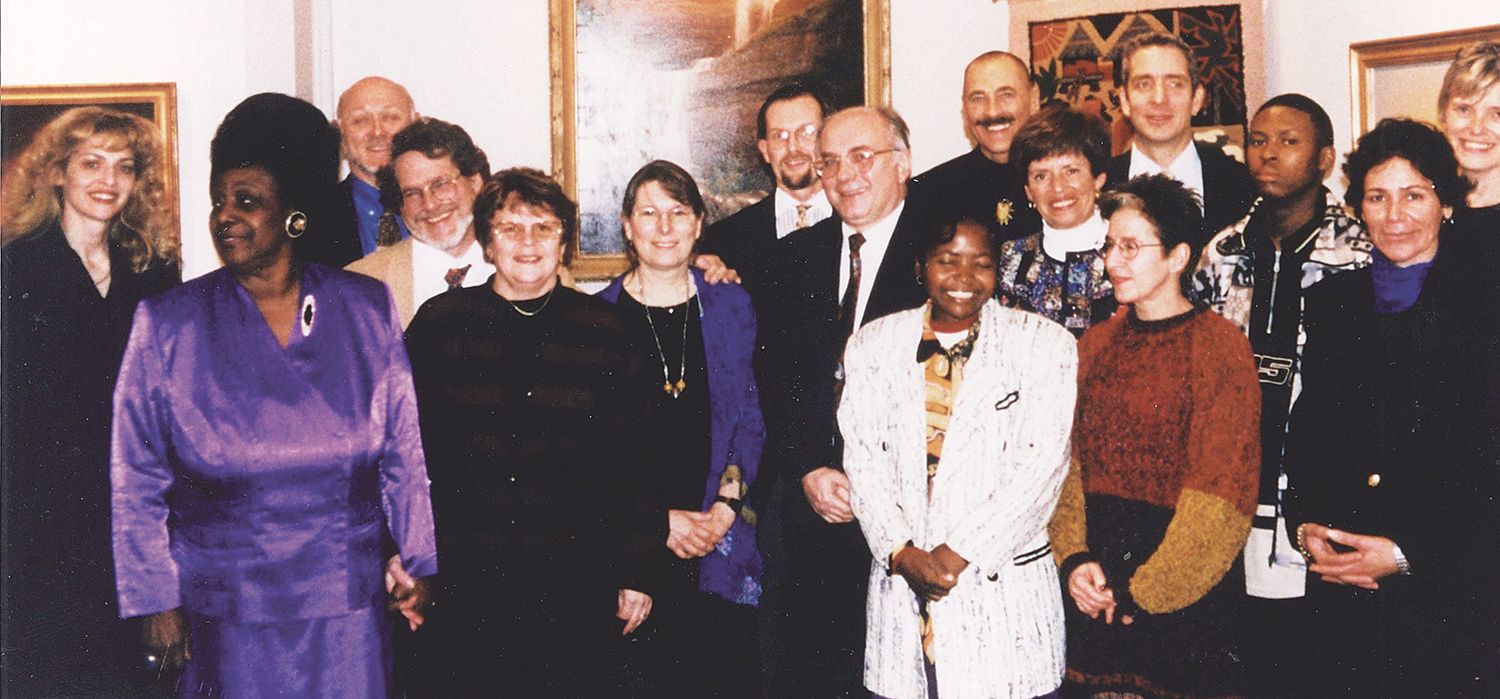
Dr. Harper believed deeply that comfort, dignity and quality care should be available worldwide.
After witnessing the lack of resources for patients in South Africa and Zimbabwe in the 1990s, she helped establish the Foundation for Hospices in Sub-Saharan Africa (FHSSA), now known as Global Partners in Care.
This organization continues her mission by linking U.S. and African hospice programs to strengthen training, services and access to palliative care.
Her work helped ensure that more people, wherever they lived, could receive the care they deserved.